7 news...
1. EPA says no rise in contamination after Army detonates lead azide stockpile in Iowa
2026-11-28 13:12:18
 Initial laboratory results indicate the controlled detonation of five tons of dangerous lead azide in southeastern Iowa has not caused a rise in the heavy metal in the bodies of water that supply drinking water to the area, the U.S. environmental agency...
score:0.519, 2026-11-28 17:26:58
2. EPA says no rise in contamination after Army detonates lead azide stockpile in Iowa
2026-11-28 13:12:18
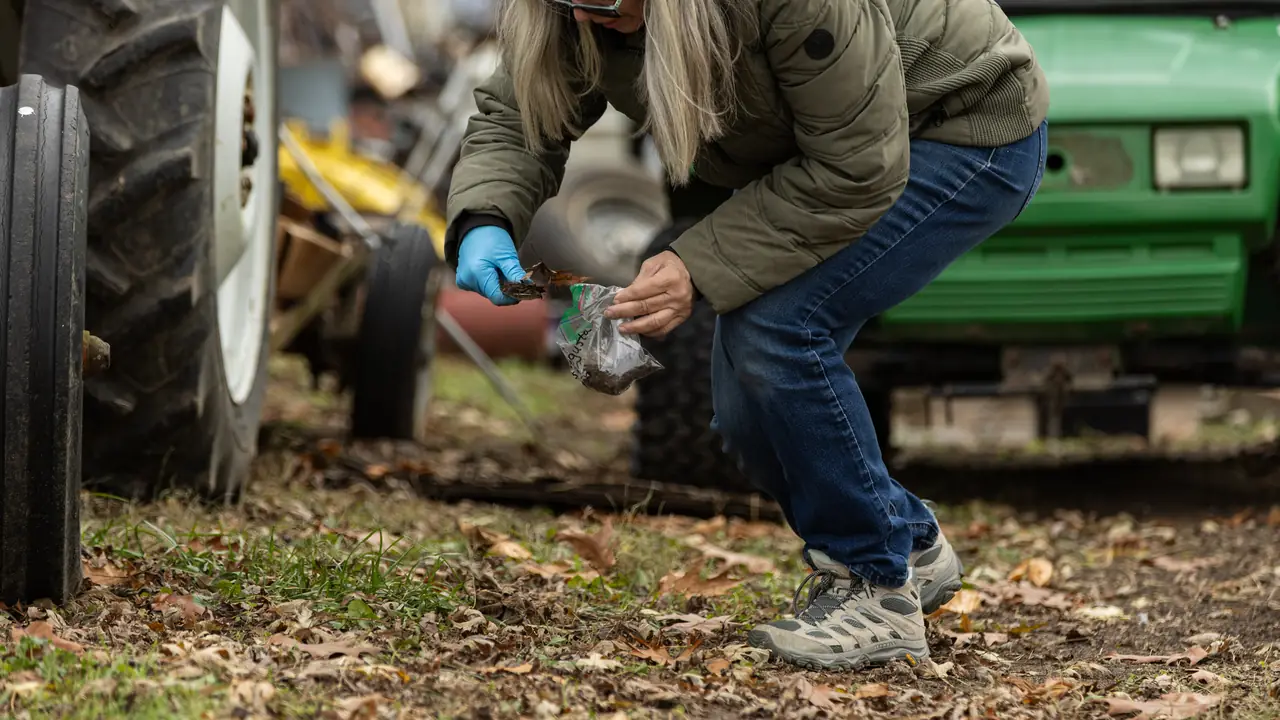 Initial laboratory results indicate the controlled detonation of five tons of dangerous lead azide in southeastern Iowa has not caused a rise in the heavy metal in the bodies of water that supply drinking water to the area, the U.S. environmental agency...
score:0.518, 2026-11-28 16:38:29
3. EPA says no rise in contamination after Army detonates lead azide stockpile in Iowa
2026-11-28 13:12:18
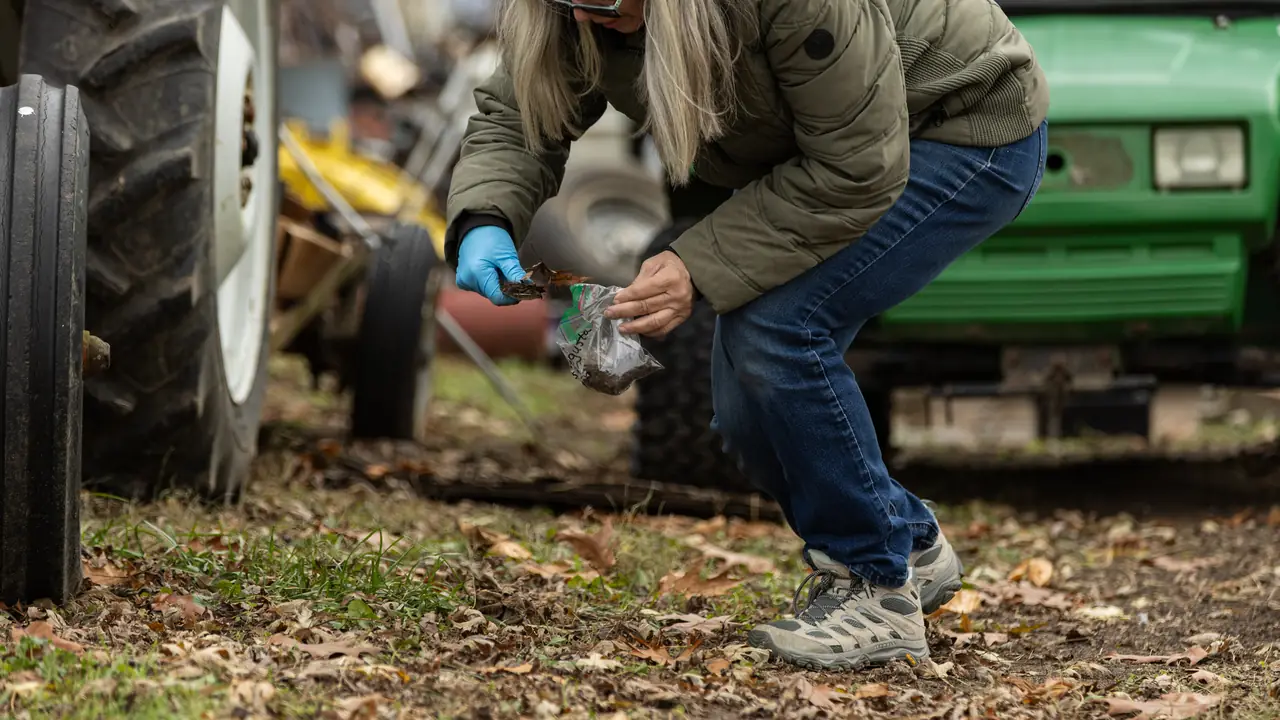 Initial laboratory results indicate the controlled detonation of five tons of dangerous lead azide in southeastern Iowa has not caused a rise in the heavy metal in the bodies of water that supply drinking water to the area, the U.S. environmental agency...
score:0.518, 2026-11-28 16:27:23
4. EPA says no rise in contamination after Army detonates lead azide stockpile in Iowa
2026-11-28 13:12:18
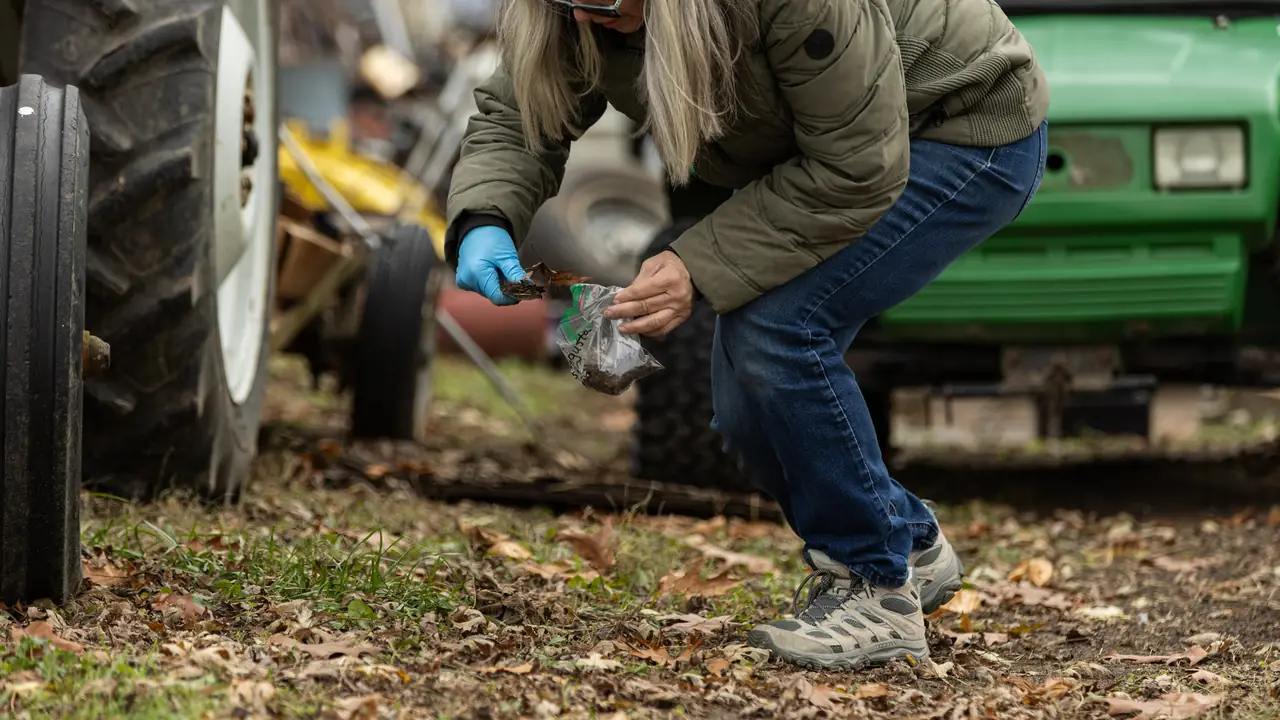 Initial laboratory results indicate the controlled detonation of five tons of dangerous lead azide in southeastern Iowa has not caused a rise in the heavy metal in the bodies of water that supply drinking water to the area, the U.S. environmental agency...
score:0.518, 2026-11-28 16:27:22
5. Zeldin touts ‘best-case scenario’ after massive controlled detonation in Iowa
2026-11-28 03:08:35
 Environmental Protection Agency (EPA) Administrator Lee Zeldin described initial air monitoring results after Wednesday’s controlled detonation of a hazardous chemical stockpile in Iowa as a “best-case scenario” as officials prepare to release the...
score:0.532, 2026-11-28 06:10:57
6. EPA reports 'zero detection of airborne lead' day after Iowa lead azide detonation
2026-11-26 14:20:00
 Iowa EPA reports 'zero detection of airborne lead' day after Iowa lead azide detonation More than 1,000 samples were collected after around five tons of degraded bomb-making chemical were destroyed in Iowa By Greg Norman-Diamond Fox News Published...
score:0.565, 2026-11-26 22:53:23
7. EPA reports ‘zero detection of airborne lead’ day after Iowa lead azide detonation
2026-11-26 19:41:00
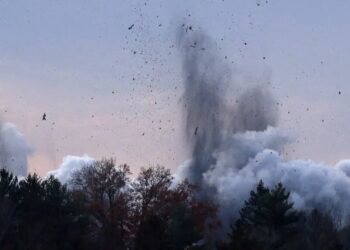 The Environmental Protection Agency (EPA) said Thursday that its air monitors continue to report “zero detection of airborne lead throughout the region” after the detonation of a stockpile of lead azide at the Iowa Army Ammunition Plant.
The statement...
dnyuz.com ...
score:1, 2026-11-26 22:50:53