17 news...
1. U.S. says no rise in local water contamination after army blows up lead azide stockpile
2026-11-28 21:35:00
 Officials took samples around Muscatine, Iowa, after aging stockpile was detonated
Initial laboratory results indicate the controlled detonation of nearly five tonnes of dangerous lead azide in southeastern Iowa has not caused a rise in the heavy metal...
score:0.558, 2026-11-29 05:53:18
2. EPA says no rise in contamination after Army detonates lead azide stockpile in Iowa
2026-11-28 18:49:37
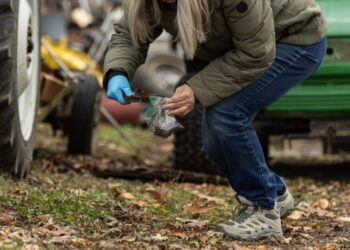 Initial laboratory results indicate the controlled detonation of five tons of dangerous lead azide in southeastern Iowa has not caused a rise in the heavy metal in the bodies of water that provide drinking supplies to the area, the U.S. environmental...
score:0.669, 2026-11-28 22:20:46
3. EPA says no rise in contamination after Army detonates lead azide stockpile in Iowa
2026-11-28 13:12:18
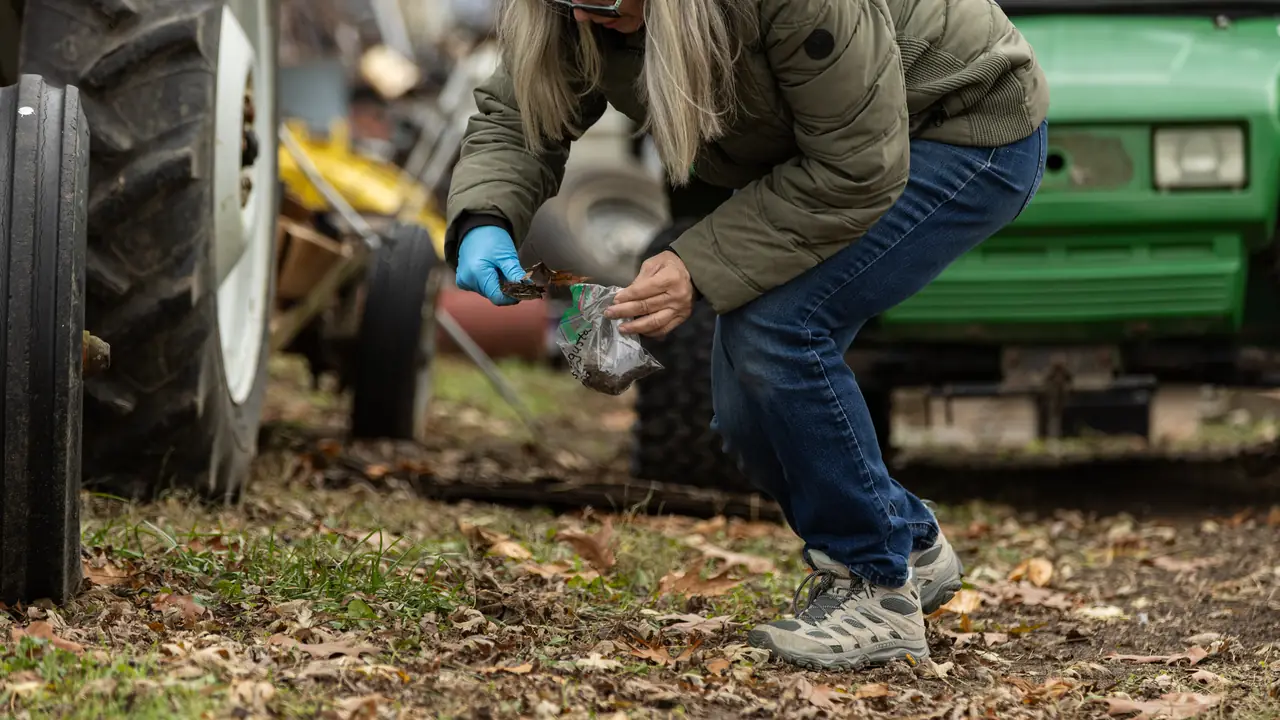 Initial laboratory results indicate the controlled detonation of five tons of dangerous lead azide in southeastern Iowa has not caused a rise in the heavy metal in the bodies of water that supply drinking water to the area, the U.S. environmental agency...
score:0.675, 2026-11-28 20:49:52
4. EPA says no rise in contamination after Army detonates lead azide stockpile in Iowa
2026-11-28 13:12:18
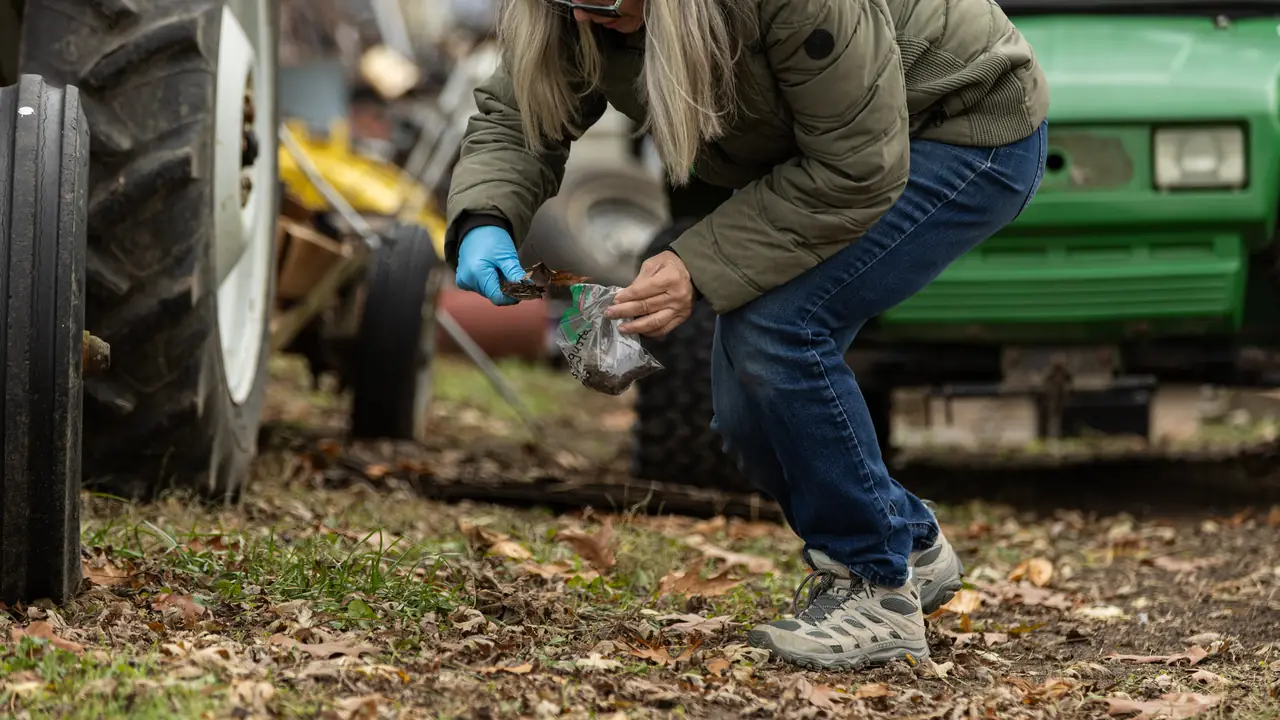 Initial laboratory results indicate the controlled detonation of five tons of dangerous lead azide in southeastern Iowa has not caused a rise in the heavy metal in the bodies of water that supply drinking water to the area, the U.S. environmental agency...
score:0.675, 2026-11-28 20:43:10
5. EPA says no rise in contamination after Army detonates lead azide stockpile in Iowa
2026-11-28 11:01:01
 The detonation aimed to prevent an uncontrolled explosion, but concerns remain about environmental impact and communication from the Army.
Initial laboratory results indicate the controlled detonation of five tons of dangerous lead azide in southeastern...
score:0.645, 2026-11-28 20:22:42
6. EPA says no rise in contamination after Army detonates lead azide stockpile in Iowa
2026-11-28 11:01:01
 The detonation aimed to prevent an uncontrolled explosion, but concerns remain about environmental impact and communication from the Army.
Initial laboratory results indicate the controlled detonation of five tons of dangerous lead azide in southeastern...
score:0.645, 2026-11-28 19:31:23
7. EPA says no rise in contamination after Army detonates lead azide stockpile in Iowa
2026-11-28 11:01:01
 The detonation aimed to prevent an uncontrolled explosion, but concerns remain about environmental impact and communication from the Army.
Initial laboratory results indicate the controlled detonation of five tons of dangerous lead azide in southeastern...
score:0.645, 2026-11-28 19:29:45
8. EPA says no rise in contamination after Army detonates lead azide stockpile in Iowa
2026-11-28 15:30:25
 Initial laboratory results indicate the controlled detonation of five tons of dangerous lead azide in southeastern Iowa has not caused a rise in the heavy metal in the bodies of water that supply drinking water to the area, the U.S. environmental agency...
score:0.608, 2026-11-28 19:28:17
9. EPA says no rise in contamination after Army detonates lead azide stockpile in Iowa
2026-11-28 11:01:01
The detonation aimed to prevent an uncontrolled explosion, but concerns remain about environmental impact and communication from the Army.
Initial laboratory results indicate the controlled detonation of five tons of dangerous lead azide in southeastern...score:0.642, 2026-11-28 19:27:08
10. Army’s Iowa lead explosion did not contribute rise in contamination: EPA
2026-11-28 16:14:50
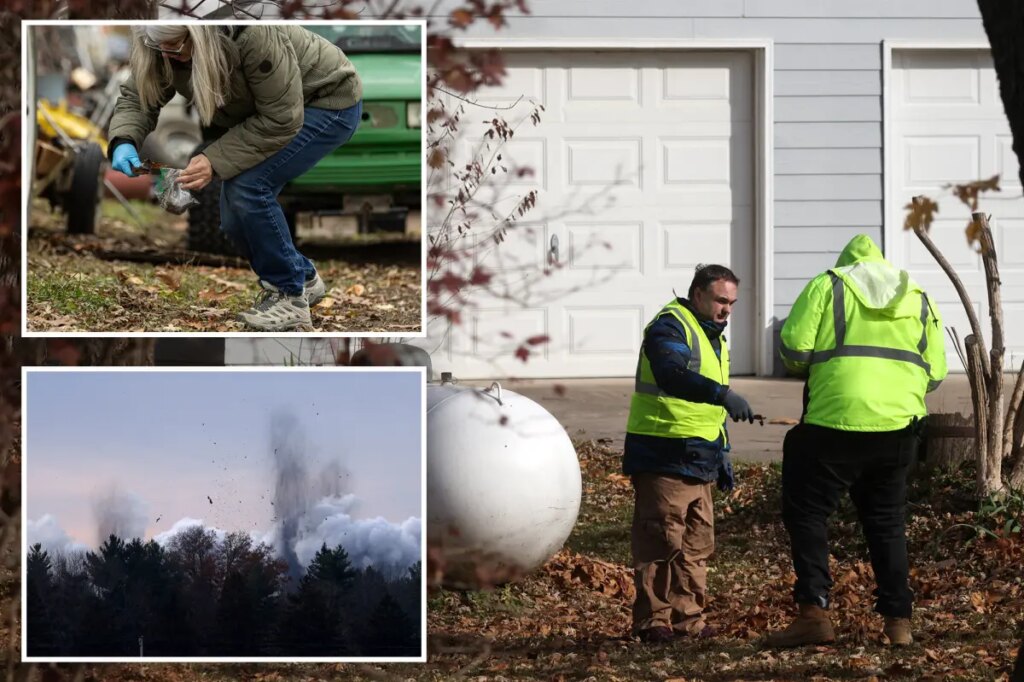 Initial laboratory results indicate the controlled detonation of five tons of dangerous lead azide in southeastern Iowa has not caused a rise in the heavy metal in the bodies of water that supply drinking water to the area, the US environmental agency...
dnyuz.com ...
score:0.684, 2026-11-28 19:18:56
11. EPA says no rise in contamination after Army detonates lead azide stockpile in Iowa
2026-11-28 08:01:01
 The detonation aimed to prevent an uncontrolled explosion, but concerns remain about environmental impact and communication from the Army.
Initial laboratory results indicate the controlled detonation of five tons of dangerous lead azide in southeastern...
score:0.646, 2026-11-28 19:17:52
12. EPA says no rise in contamination after Army detonates lead azide stockpile in Iowa
2026-11-28 11:01:01
 The detonation aimed to prevent an uncontrolled explosion, but concerns remain about environmental impact and communication from the Army.
Initial laboratory results indicate the controlled detonation of five tons of dangerous lead azide in southeastern...
score:0.646, 2026-11-28 19:15:49
13. EPA says no rise in contamination after Army detonates lead azide stockpile in Iowa
2026-11-28 10:01:01
 The detonation aimed to prevent an uncontrolled explosion, but concerns remain about environmental impact and communication from the Army.
Initial laboratory results indicate the controlled detonation of five tons of dangerous lead azide in southeastern...
score:0.644, 2026-11-28 19:11:16
14. EPA says no rise in contamination after Army detonates lead azide stockpile in Iowa
2026-11-28 08:01:01
 The detonation aimed to prevent an uncontrolled explosion, but concerns remain about environmental impact and communication from the Army.
Initial laboratory results indicate the controlled detonation of five tons of dangerous lead azide in southeastern...
score:0.645, 2026-11-28 19:10:46
15. EPA says no rise in contamination after Army detonates lead azide stockpile in Iowa
2026-11-28 10:01:01
 The detonation aimed to prevent an uncontrolled explosion, but concerns remain about environmental impact and communication from the Army.
Initial laboratory results indicate the controlled detonation of five tons of dangerous lead azide in southeastern...
score:0.642, 2026-11-28 19:03:00
16. EPA says no rise in contamination after Army detonates lead azide stockpile in Iowa
2026-11-28 08:01:01
 The detonation aimed to prevent an uncontrolled explosion, but concerns remain about environmental impact and communication from the Army.
Initial laboratory results indicate the controlled detonation of five tons of dangerous lead azide in southeastern...
score:0.644, 2026-11-28 19:01:59
17. US environmental agency says no rise in contamination after Iowa detonation
2026-11-28 00:00:00
 US Army blew up five tonnes of dangerous outdated lead azide used to make munitions.
Initial laboratory results indicate that the controlled detonation of five tonnes of dangerous lead azide in southeast Iowa has not caused a rise in levels of the heavy...
score:1, 2026-11-28 18:54:46